New Children's Books Exploring Housing Insecurity in 2026
Stories of Home, Hope, and Belonging
Four new books that help children and families explore homelessness, housing insecurity, empathy, and the meaning of home.
What does home mean to a child? For some, it's a familiar bedroom, a favorite stuffed animal, or a place to gather with family. For others, home may look very different.
Children's books can help us explore these experiences, offering windows into lives different from our own and mirrors in which children can recognize their own families and circumstances.
As we recognize National Homeless Youth Awareness Month this November, Birthday Wishes is highlighting four books published in 2026 that explore housing insecurity, family relationships, resilience, and the importance of belonging.
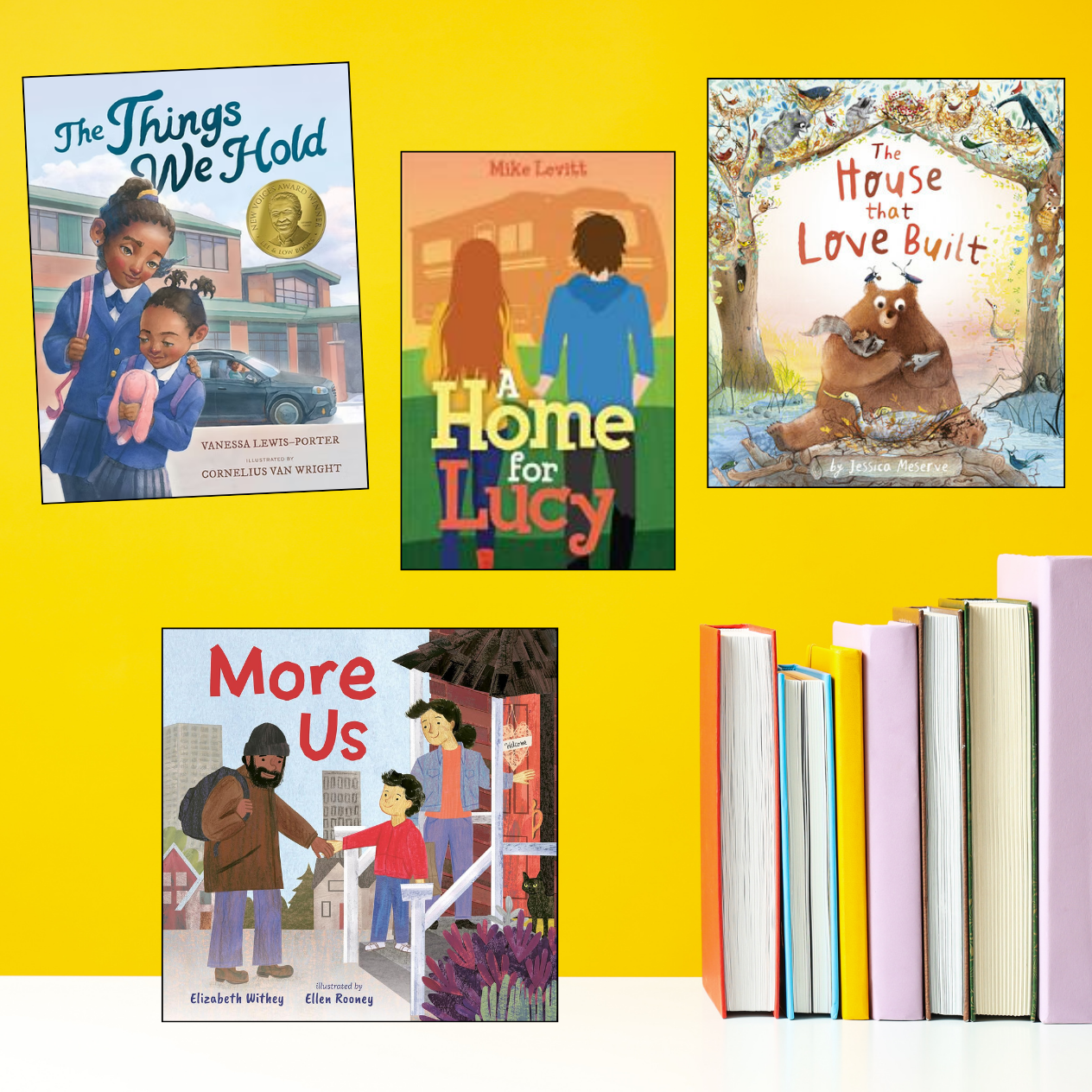
1. The Things We Hold
By Vanessa Lewis-Porter, illustrated by Cornelius Van Wright
Published September 2026 | Ages 6–8
Lilly is a young girl who loves art, math, and spending time with her friends. But she's also carrying worries that many of her classmates don't see. Her family sometimes sleeps in their car, and everyday experiences like wearing clean clothes to school, attending field trips, and talking about home can be difficult. The Things We Hold offers a compassionate look at the challenges children experiencing housing insecurity may face, including the pressure to keep their circumstances hidden. It reminds readers that we may not always know what someone else is going through and that small acts of kindness can make a meaningful difference.
2. More Us
By Elizabeth Withey, illustrated by Ellen Rooney
Published September 2026 | Ages 6–8
After years of living without stable housing, Uncle Gray is moving in with his family. His young nephew eagerly awaits his arrival, excited that his uncle will finally have a safe, comfortable place to stay. Inspired by the author's own family experiences, More Us explores homelessness through the eyes of a child who loves and worries about a family member. It's a touching reminder that people experiencing homelessness are parents, siblings, aunts, uncles, and loved ones—and that compassion and connection matter.
3. A Home for Lucy
By Mike Levitt
Published May 2026 | Ages 8–14
When Ben discovers that his classmate Lucy is experiencing homelessness, the two teenagers join forces to address a housing challenge in their community. Together, they rally classmates and neighbors to help reopen an abandoned trailer park, demonstrating how young people can advocate for change. Written for older children and young teens, A Home for Lucy explores friendship, housing insecurity, and the power of community action. It encourages readers to think about how they can make a difference in the lives of others.
4. The House That Love Built
By Jessica Meserve
Published August 2026 | Ages 3–7
When a powerful storm destroys their homes, a community of forest animals comes together to rebuild. Through teamwork, kindness, and determination, they discover that creating a home is about more than walls and a roof. Its themes of displacement, resilience, and community support offer a gentle way to introduce younger children to conversations about stability, belonging, and helping others.
Why These Stories Matter
For children experiencing homelessness or housing insecurity, seeing their experiences reflected in books can be especially meaningful. These stories can help children feel understood while encouraging others to approach families facing housing challenges with greater empathy and compassion.
At Birthday Wishes, we believe every child deserves opportunities to feel seen, valued, and connected, regardless of their housing situation. Through milestone celebrations, addressing snack insecurity, and strengthening family connections, our Celebrate • Nourish • Connect approach recognizes the importance of joy, belonging, and meaningful childhood experiences.
Books like these remind us that while every family's circumstances may be different, every child deserves kindness, connection, and the opportunity to feel that they belong.
This November, consider sharing one of these stories with a child, classroom, or community group. A book can be a wonderful starting point for conversations about empathy, understanding, and what it means to make others feel welcome.